Winter Wanders
Winter is a great time for photography, the late sunrise and soft light, and crisp frosty mornings can make for picturesque images. Even on grey days there can be opportunites. I headed over to Cambridgeshire to WWT Welney, a location I’ve not been to for some time. Two magnificent Short-eared owls were hunting over the marsh, and Tree sparrows twittered in the bushes. Welney is known for the Whooper swans who spend the winter here, such elegant and graceful birds. Smaller than our resident Mute swans, with bright yellow bill markings and soft calls.


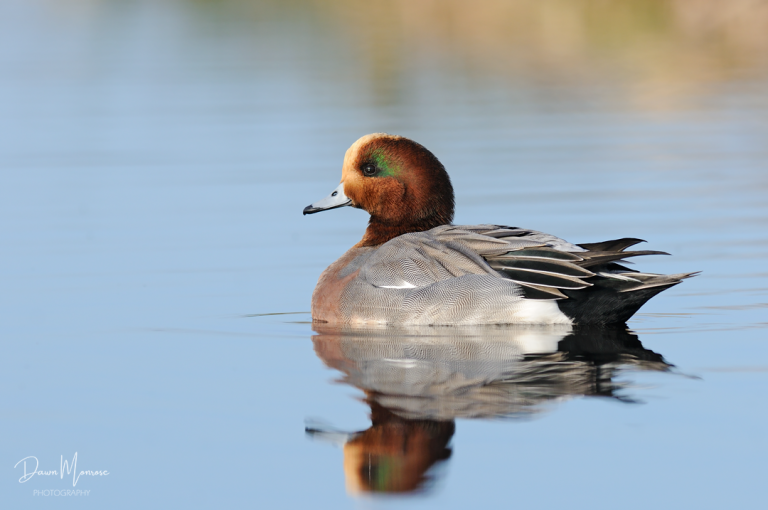
Pochard gather here too, the males have grey backs, a chestnut red head and neck, and striking red eyes.


I love to visit the sea in winter too, there’s something about the roar and crash of waves on a cold day that seems so invigorating, and the contrast of a cosy cup of hot coffee afterwards. I went north, to Hunstanton, which is becoming an annual pilgrimage it seems. Despite still being in Norfolk, it’s a good hours drive away. We have a saying in Norfolk that everywhere is an hours drive away, perhaps due to the ailing state of our roads, or because it’s a bigger county that you might think. On the iconic red cliffs the Fulmars grunted and chuckled to each other, but today I had a different bird in mind. I settled myself down at the end of a sea defence to watch and wait. Sometimes it’s better to let the birds come to you. Soon the little waders were busying to and fro and ignoring me. With a close eye on the turning tide I watched as a small group of Turnstones wandered past, flipping stones as their name suggests to search for morsels beneath. A Redshank, normally much shyer, scuttled between rocks of the same colour, it’s bright orange legs bringing a touch of vibrancy to the dull day.

The sea edged closer and I retreated, two posts further in, and settled again. Silver grey Sanderling searching the sand, too fast for my camera today. The tide moves fast in this part of the world, my previous perch was soon under water, and our dance continued, two posts closer again to land I move. The bird I was hoping for appears. A gentleman in a dress suit, dapper, striding confidently over the rocks. The Oystercatcher.

From my hiding place, back against the barnacle encrusted concrete, I watch a pair as they forage together. Long bills probing between rocks, one turned to the other and called softly, a quiet conversation perhaps, I was struck and rather moved by that moment of intimate communication between them. As they move through this ephemeral tidal zone they seem so calm, wise and intelligent. I read that the maximum age discovered through ringing was over 41 years, so potentially there are Oystercatchers out there the same age as me! Stats like that always make me feel more connected to the natural world. I imagine a fluffy chick hatched on the same day as me in May, growing and learning, as I grew and learnt, under the same sky, connected without knowing each other.

The water is closer again, the hushed lullaby of waves grows louder, I allow it to move me up the beach again. The rain begins, and it’s cold now, but the waders are even more active. The Turnstones, Sanderling and Redshank are scurrying all together, searching through the pebbles. A Turnstone grabs a shell and hurries away from the group hoping it’s comrades won’t notice. Halfway through feeding another spots it and runs over, causing the first bird to give up it’s prize.

The rain is heavier now, but I press myself down to the rough sand, it’s warmer down here. The birds are unperturbed by the weather, naturally waterproof and cosy in their feathers, water droplets clinging to their backs like pearls until shaken off.

There’s something so calming for me being near the sea, it’s difficult to drag myself back to the human world, I don’t want to leave the cheerful, gentle company of these little birds.
Alongside my blog I’ve also started my own newsletter over on Substack. It’s a bit more personal and covers a greater variety of subjects, as well as photography, so please do head over and have a read – https://dawnmonrose.substack.com