Coffee break, Kittiwake
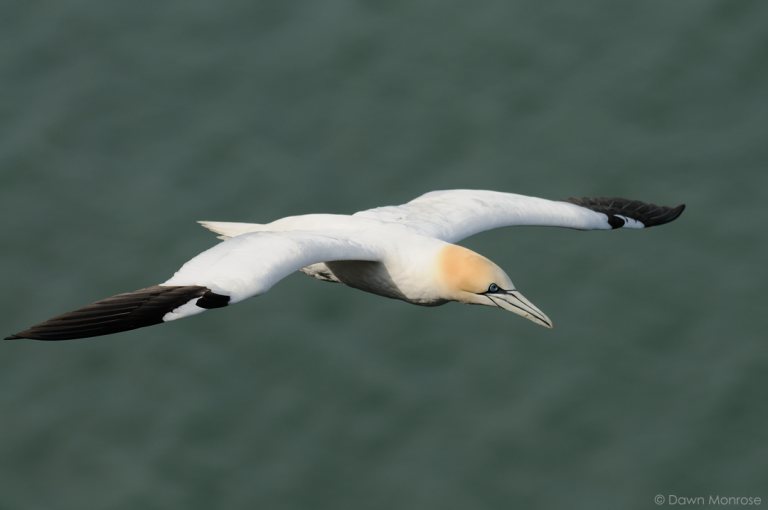
Mines a flat white, maybe a gingerbread biscuit too. There’s a Herring gull at my feet, trying to look cute, but mostly just looking intimidating, circling the table and carefully watching with piercing pale eyes as I eat. Like many seaside towns, the cries of gulls ring out through the streets, but here, it’s a slim, snow white gull, repeating it’s name over and over again. The Kittiwake, an elegant seabird with greenish yellow bill, wingtips dipped in the blackest ink and a silver grey back. These pretty birds nest in colonies on rocky cliffs, but with the absence of cliffs in this part of the world, they have made the town of Lowestoft their summer home, building nests made of a tangle of seaweed and vegetation, held together with guano, on any ledge they can find, from the Marina Theatre to the Churches and the Pier, and several Solicitors in between. The Victorian architecture is adorned with birds, resting, preening, and caring for the little balls of fluff that are their chicks, spaced evenly on any accessible ledge, roughly pecking distance apart.


The Kittiwake feeds on fish and shrimp, and outside of the breeding season returns to the Atlantic Ocean. These gentle gulls won’t be stealing your chips, but raising their brood of one or two chicks on Sandeels. With a similar story to many of our seabirds, the declining stocks of this important little fish affect the Kittiwake’s breeding success, resulting in declines in Kittiwake numbers.* Despite this, they are not always welcome guests. Lets face it, a heap of stinking seaweed and fishy excrement outside your office, or worse, bedroom window is understandably not particularly attractive, and a host of spikes and nets are installed to prevent the birds nesting in some locations. They are welcome in other areas however, with wooden shelves installed to provide nesting space away from the window ledges, and a pair of Kittiwake hotels that sit just offshore to give them a less controversial home. Some generous folk seem to be happy to share space with them though, I noticed on one house, a window propped open to accommodate a nest on top!

Down by the pier, the waves crashing and foaming below, the Kittiwakes play in the sea breeze, wings arched to hold the wind, steady in the air like a tethered kite, then swooping low to the sea before soaring up and away. The adults sit on their nests atop the sturdy timbers, protecting their offspring from the roaring elements or preening and dozing in the sun. Others chase each other through the salty sky, yelling their name again and again.


I’m enjoying this urban wildlife photography, so far from my usual habitat, but I like the juxaposition between the built environment and nature, between feather and stone. Not separate, but together, reminding us we are part of nature too. Not to mention of course, the chance for a fancy coffee. I sweep the crumbs from my lap to the waiting Herring gull, who has been remarkably patient, and continue to explore the town with my camera.


Find out more about Lowestoft’s Kittiwakes here: https://www.suffolkwildlifetrust.org/news/lowestoft-kittiwake-partnership
* I am informed that the local population of Kittiwakes around Lowestoft have increased in number in recent years thanks to a change in diet to a more abundant source of food – whitebait. Whilst the UK population as a whole declined (and are red listed) due to reduced sandeel numbers, the success of the Lowestoft colony offers a glimmer of hope that these birds can adapt to changing conditions, and with the provision of new nesting ‘hotels’ locally, their success will hopefully continue and help the population as a whole.
Subscribe below to receive blog updates straight to your inbox.