Fallow deer
 |  |
 | 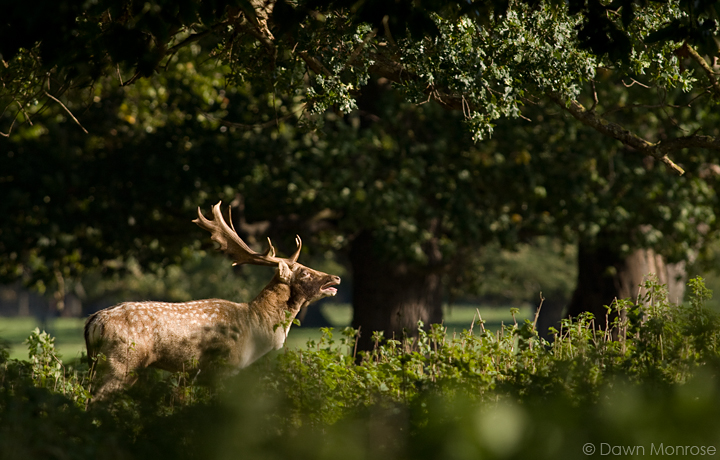 |
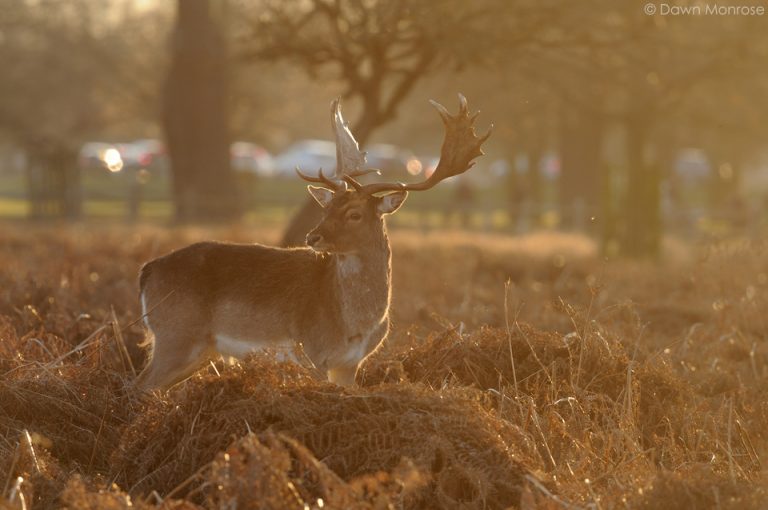
Started the day at RSPB Titchwell reserve yesterday, but it was a little disappointing as it was cold and windy and the wildlife wasn’t ‘photographable’. When you see birders carrying telescopes, you know it’s not going to be a good day for a 500mm lens. So on the spur of the moment we decided to go and have a look at Holkham Hall, which is a very grand place and it has a deer park with a large herd of Fallow deer. This time of year is more widely known for the Red deer rut, but the Fallow deer are also rutting now. I’ve always wanted to photograph the rut, but seen as Norfolk doesn’t have very many deer parks it’s pretty frustrating. There are a lot of wild deer, but of course these are very difficult to find, let alone photograph, as I found out this year.
I was surprised to find that the deer at Holkham were rather timid and wary of people, although the reason for this soon became clear. We witnessed several people attempting to photograph the deer with compact cameras – in typical compact camera pose, squinting at the back of the screen, marching towards the deer. As the deer fled the people continued to follow them, and at one stage the deer were being ‘chased’ from one area to the next. We even saw one man wave his arms at the deer to frighten them, and then one couple decided to walk their dogs through the middle of a herd! I was cringing as the bucks can do serious damage to a dog when trying to defend his does, but this time the deer just ran away. People really amaze me sometimes.
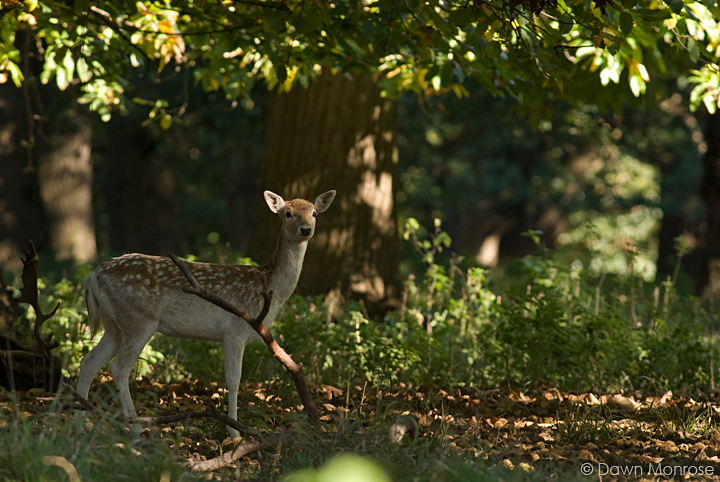
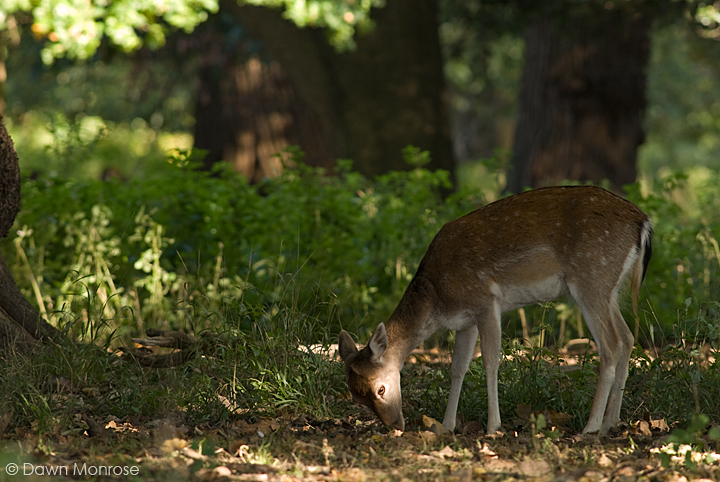
Onto the photography. Moving away from the people, we discovered a group of the younger bucks lying up in some woodland. The dappled woodland light looked great to the eye, but photographing it was very difficult. The camera doesn’t have the same range as our eyes, meaning getting the exposure right was tricky, a balancing act between not blowing the highlights and not losing detail in the shadows. Later, we were able to watch one of the dominant bucks roaring which was an amazing sight. The key to observing the deer was to sit still and quietly next to a tree and wait for the deer to relax. We had some great views and at times they wandered pretty close. It was interesting to watch them feeding on the windfall sweet chestnuts, which appeared to be a rather prickly and painful affair! The light was pretty harsh, and I’d really love the opportunity to return in better conditions, but unfortunately I may not get the chance seen as its back to work next week…
More information about Holkham Hall can be found here: http://www.holkham.co.uk