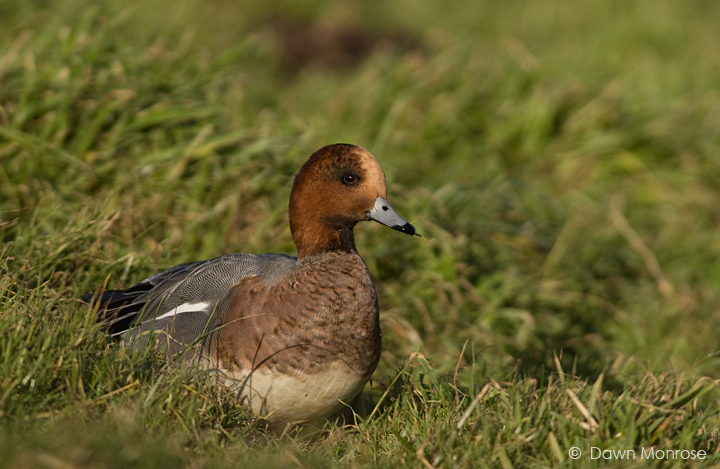
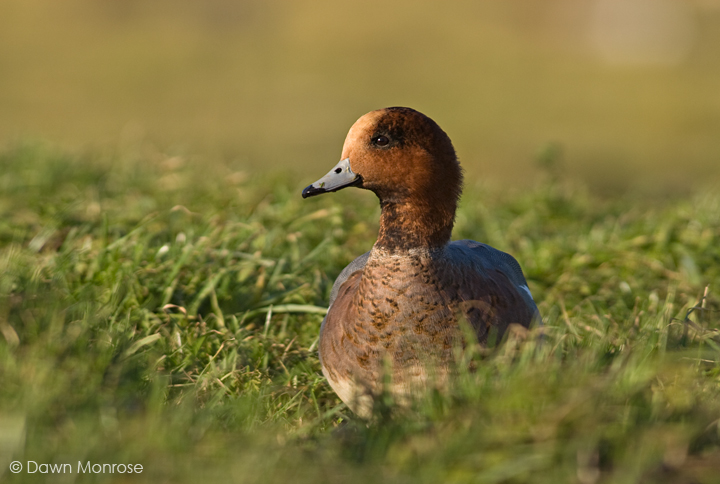
Wigeon

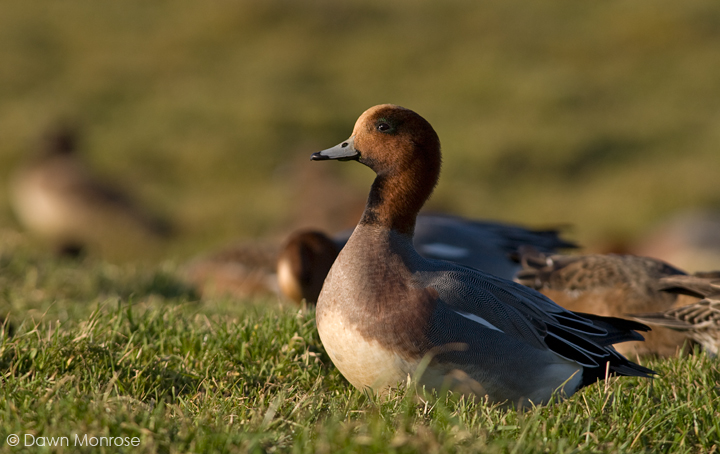
What a beautiful day it was on Sunday! Decided to head for Strumpshaw again, but things were a bit quiet, although I did see my first ever Brambling. Then we visited Strumpshaw’s ‘sister’ reserve – Buckenham Marshes, which at this time of year is home to thousands of Wigeon, as well as geese. Wigeon are one of my favourite ducks, mostly because of their call, which is a cute ‘wheeooo’ and always reminds me of the marsh.

Managed to get a few photos that I’m fairly pleased with, although I found that I was a bit out of practice!
Similar Posts

  • Toady

    Moving some plants yesterday, and came across this little chap hiding in my coldframe. It’s the first time I’ve seen a Toad in our little garden, so was quite pleased! We have plenty of Frogs, which normally hide in the border, so no wonder my Hostas are slug free! He posed for a few photos…

  • Spring on the Fen

    Spring has sprung down on the fen, as the sun rises in the cold morning air, I’m greeted by the glorious summer song of the Sedge Warbler. A mix of musical trills and warbles, mechanical rasping, sweet whistles and low purrs, combined seemingly randomly like the best jazz singers. What wonderful medicine for the human…

  • When is a weed…

    …Not a weed? First you have to define what a weed is – my mother always told me a weed was just a plant in the wrong place. So here’s a pretty little plant, with interesting pink flowers and delicate grey green foliage, considered by many a weed, but well worth a place in my…

  • A Big Year

    This year is a big year for me. Not in the same sense as a bird watchers ‘Big Year’, where they try to see as many different species as possible, but because today I turned 30. So in a fit of ambitiousness I decided to set myself the challenge of photographing 30 different wildlife events…

  • Feelin so Bohemian like you…

    The tinkling bell like trill, the punk rocker hairstyle and attitude to match, it can only mean one thing – the Scandinavians are here! The Bohemian Waxwing (Bombycilla garrulus) is native to Northern Europe and during the winter may migrate southwards if the berry crop – the Waxwing’s main winter food source, runs low. This year…

Leave a Reply