
Autumn Fen
A stunning morning on the Fen, a crisp frosty start and delicious golden light. The Konik ponies look so at home here, they were warming up in the sun at the edge of the wood.
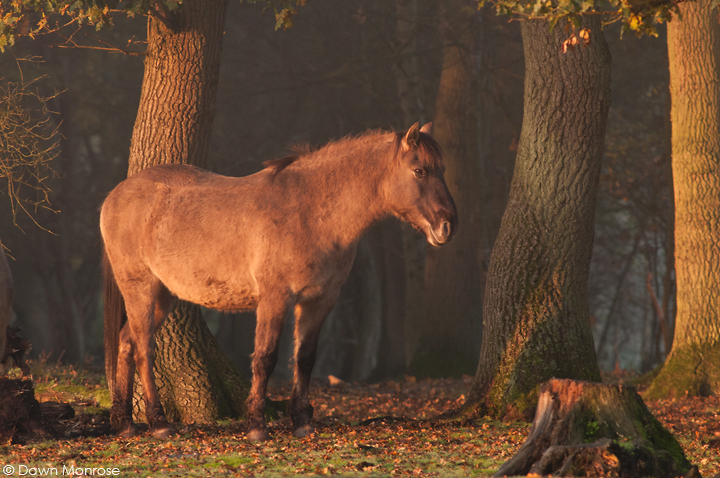
On in search of the Bearded Tits, but all was quiet in the reedbed. I can’t help feeling a bit disappointed, but that’s wildlife for you. I guess they’ve moved on, or maybe they’re out somewhere on the open fen. I decide to stick around for a while just in case, and amuse myself with a little art photography.
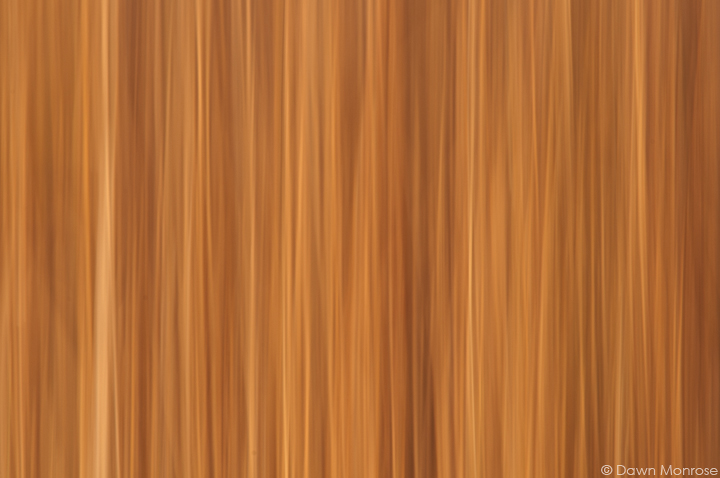
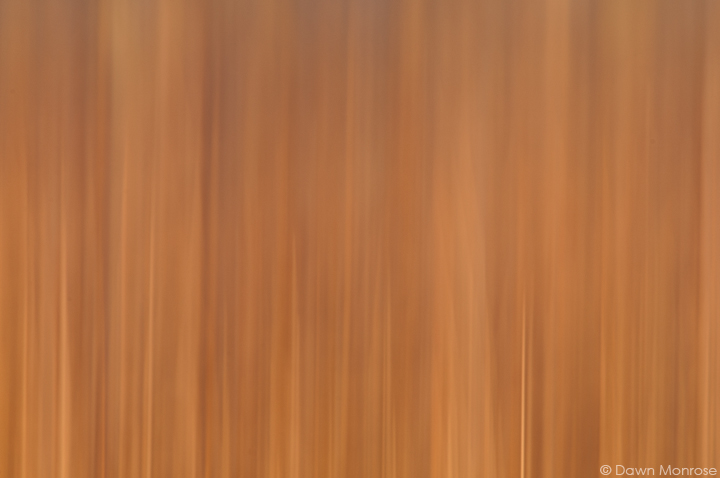
Created simply by panning the camera vertically during the exposure, the end result is always a surprise. This technique seems to work really well with the reeds and really captures the lovely warm light.
Wandering on a little further, a movement in the reeds catches my eye – a tiny Wren flitting around the stems. Then something else flutters, a glimpse of Autumn coloured feathers and a striking black stripe, it can only be – the Bearded Tits!
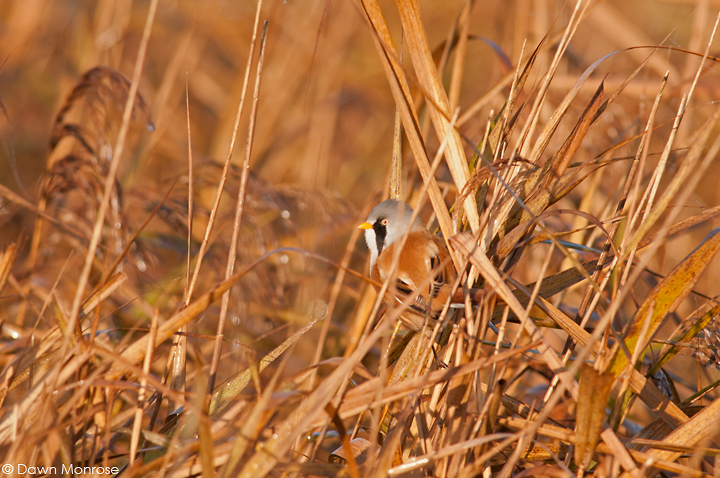
I manage one shot before he pings away into the reeds with the others. A long wait later, and there they are again. This time perched in the open on stems of Reedmace further down the path. *Please stay there, please stay there*! I hurry along the path towards them, as close as I dare, and to my surprise they stay.
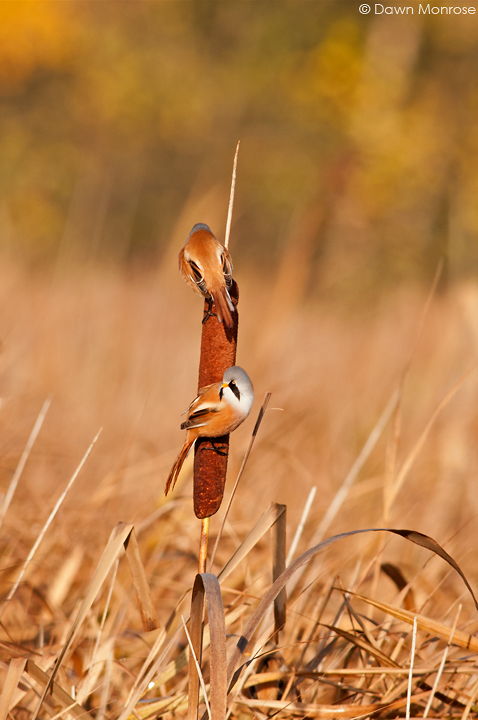
I guessed around 6 in total, males and females together. They are such charismatic little birds and it’s such a treat to have them here. The photography is getting better (the above shot is approx 50% full frame), but there’s still a long way to go, I really hope they stick around this winter.
Walking back happy, a trio of Roe does prance across the path and the woodland looks stunning in it’s Autumnal splender. Down in the wet wood a Buzzard launches itself from a tree as I approach, surprising both me and the local Carrion crows, who mob and chase it away. I’ve not seen one so close around here before, they certainly see to be getting more common. A piece of dead branch shaken loose by the Buzzard’s hasty take off thuds down beside the tree, time for home and a cuppa.
(Click images to view larger…)
If you like what you see, please consider sharing![social_share/]

Good to see you’re getting out again and it’s always good to see pictures of Bearded Tits.
Thanks Rob, hope you’re well. I hope they stay around for my next visit.