
Crimson and Blue
Just a quick update on my recent photography, trying to do as much as possible to reach my ‘Big 30‘ goal.
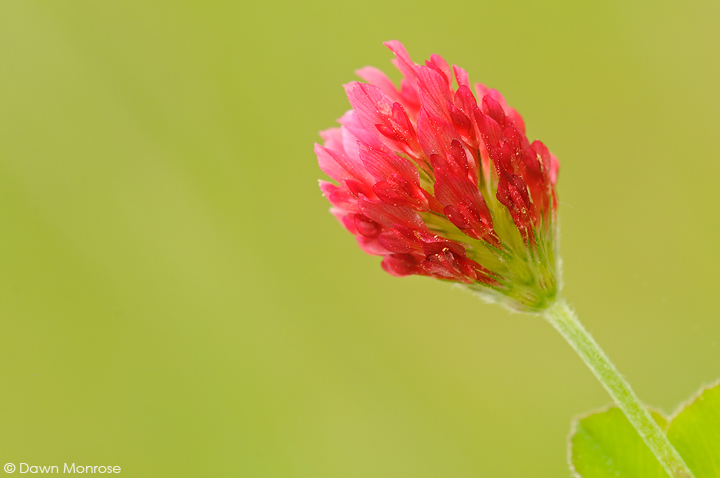
This lovely flower with it’s pretty twirled petals is Crimson Clover, it is a native, but is commonly grown in a cover crop mix, or as green manure. This one caught my eye on Croxton Heath, a new location for me, growing alongside one of the tracks. I also spotted a couple of Common Lizards here, a looks like a great site for some future photography.
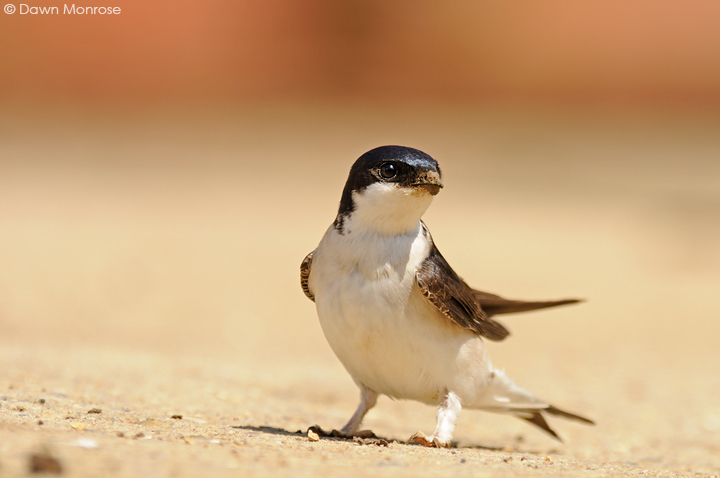
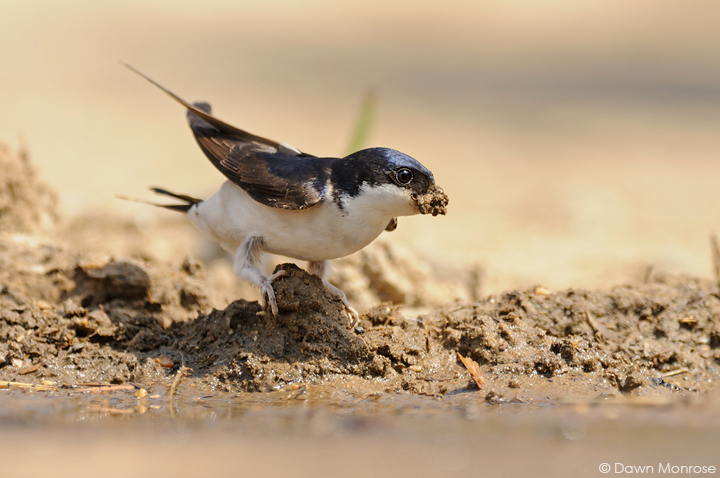
Regular followers will know, I work full time and often find it difficult to get the time to get out with the camera. Sometimes though, wildlife comes to you. I am fortunate that the company I work for is located on a farm, and this time of year sees the return of the House Martins. They cruise around the yard at head height on still sunny days, like miniature Orcas with their black and white plumage. They take full advantage of the mud washed off the tractors, swooping down to collect a beak full of wet earth to build their nest. The Swallows are also back, perching on the telephone wires and whizzing in and out of the barns chittering away to each other. High in the sky and screaming around the rooftops the Swifts are back too, devil birds with curved flickering wings flying fast and free in the blue. All three species resulting in a lot of gazing longingly out of the window. Short as my half hour lunch break is, it was just enough time to capture a couple of images of the House Martins as they came down to gather mud. Normally they glide down straight to the muddy puddle, but sometimes they land a little way away and have to do a rather comical scampering, hopping, flapping walk across the ground. Close up in the sun, the plumage on their heads and backs has a gorgeous deep blue iridescence. Hopefully I’ll get some more opportunities with these charismatic little birds.
(Click images to view larger…)
If you like what you see, please consider sharing![social_share/]

Follow me on Facebook: https://www.facebook.com/DawnMonroseNaturePhotography
Current favourite books, click for more info:
  |   |   |
Love the pictures of the House Martins. Happy birthday for tomorrow.
Great pics and very descriptive text – how do you manage to get any work done with all that action going on!