Hello 2024

There’s nothing like a new year and upcoming milestone birthday to put you in a reflective mood. Photography has always been my passion, and by that I mean, puts me in the ‘satisfyingly busy’ freedom of flow state. When watching wildlife and creating images, time passes without a trace. Meditation with a camera. I always want to do more. I have this creeping anxiety that I just haven’t achieved enough in my life so far, but I can never fathom what the big amazing thing is that I should have done. It makes me feel forgetful. Anyway, to quash the anxiety and fulfill my wish to simply get out with my camera more, I’ve set myself a challenge for this year. Challenges always seem to movitate me, so I’m going to attempt to photograph 40 different species this year. Not just see, snap and tick off a list though. I mean photograph, and create the best images I can of each one. I’m making it public so you can follow along.

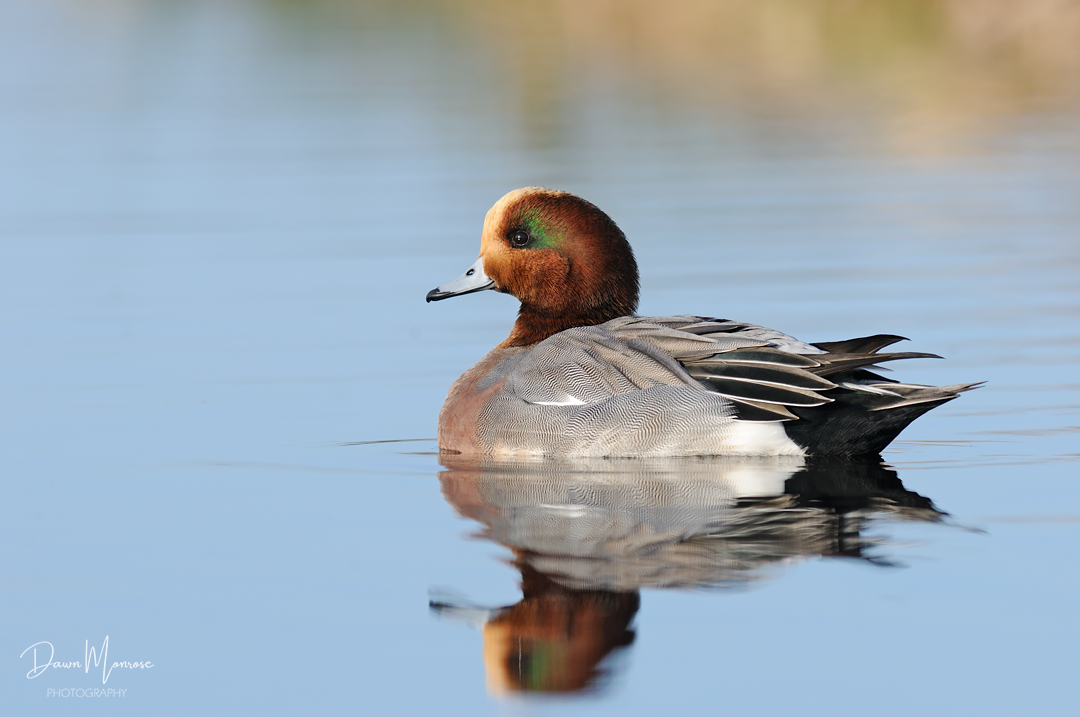
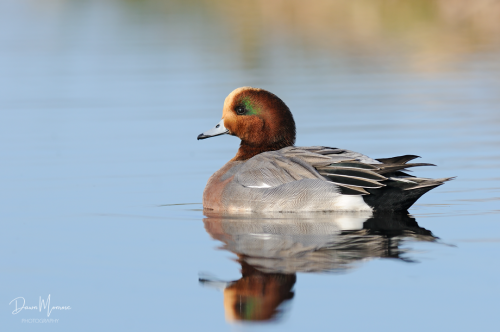
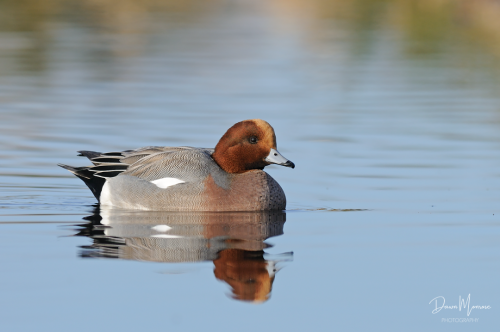
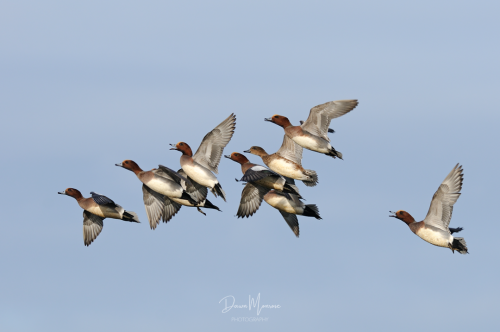
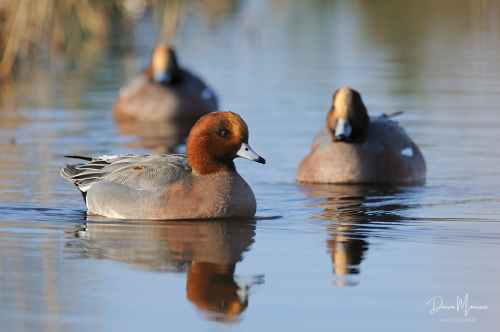
I began by visiting RSPB Buckenham Marshes, right next door to Strumpshaw Fen. It’s a fantastic place at this time of year, absolutely full of wildlife, from Chinese Water Deer, to overwintering ducks, and a huge Rook roost. The first species I photographed for my challenge was the handsome Wigeon, a dabbling duck which spends the winter on the marshes in large numbers. The males have a chestnut coloured head and creamy yellow stripe on their foreheads. Their whistling ‘whee-ooo’ calls drift hauntingly across the open landscape. With the sun shining I wanted to get some close ups showing their wonderful plumage.
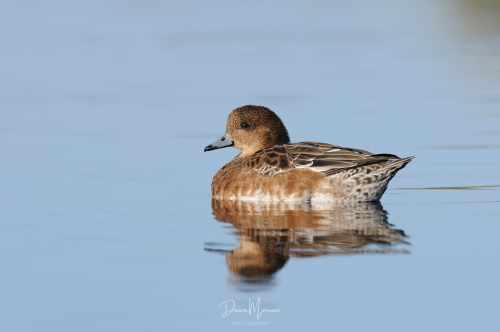
The females, shown below, are perhaps not as striking, but still pretty in my opinion.
Occasionally, a passing Marsh Harrier would put the whole flock up into the air, they swirled over the marsh calling to each other, before quickly coming back down to resume the all important job of feeding. This small group was the last to return.
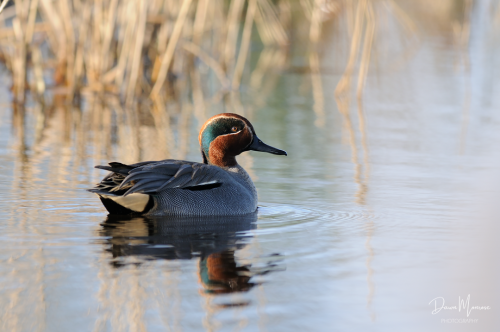
Then, as I was laying on the damp ground, another little duck swam into view, giving me my second species for the year. These normally shy birds have really glorious plumage and I was so pleased to have one briefly right in front of me. Species number 2 – Teal.
What’s next? Watch this space!

Subscribe

Sign up to receive blog notifications and exclusive content!

We don’t spam! Read our privacy policy for more info.

Similar Posts

  • Jurassic gardens

    Don’t move. He can’t see us if we don’t move. The reptile tips his head. Patterned scales glint in the sun, golden eye, unblinking, watches us, time slows. But we’re not keeping still because we’re trying to avoid becoming a dinosaur’s dinner. We’re not moving so we don’t disturb the mini velociraptor in front of…

  • Bempton Cliffs

    I have only ever visited Bempton out of season, when the Gannets still swoop and soar, but not much else is around. Trips to the rugged, windswept cliff tops have caused both sunburn and a soaking on previous occasions. From May the area is a seabird city, with half a million nesting birds. The Gannets…

  • Otters

    Had a brilliant morning with the Otters, but first, a word to photographers planning to visit this location. If you are not aware of the Nature Photographers Code of Conduct, then please read it thoroughly HERE. This is the code of practice by which all nature photographers must abide, to protect the wildlife we love…

  • Now on Facebook!

    Just a quick note to say Dawn Monrose Nature Photography is now on Facebook! Head over to https://www.facebook.com/DawnMonroseNaturePhotography and ‘like’ my page to keep up to date with all my latest adventures. I’ll still be sharing my photos and the story behind them here on the blog, so keep checking back here, or use the…

  • Pastures new, and old

    Forgive me friends, for my prolonged absence. I have been doing that most stressful of things – moving house. So here I am, all settled in, exploring pastures new. Newly located between numerous nature reserves, there’s plenty to see, but more on that at a later date. Back to pastures old, and my patch –…

  • Love on the red cliff

    Late February. I’ve been visiting one of the very few seabird colonies in Norfolk. East Anglia is well known for it’s general flatness, so the sheer cliffs required to attract breeding sea birds are very rare. One place however, is Hunstanton, with it’s famous red and white cliffs. The red rocks are actually made of…

Leave a Reply