British Wildlife Centre – Part I

The British Wildlife Centre, in Surrey is a fantastic place housing a collection of native wildlife. On days where they are not open to the public they run photography days, where the keepers take people inside the enclosures to get up close to the animals.

Photography of captive animals is often a controversial subject amongst wildlife photographers, some see it as cheating, and some unscrupulous photographers try to pass photos of captive animals off as wild – very misleading for the rest of us.

I personally like my wildlife wild, enjoying the experience of watching animals in their natural environment, but there are benefits to photographing captive animals. Firstly, by photographing a captive animal, you’re not out disturbing any wildlife. Second, an individual that is habituated to humans will often let you get closer and get images that would not be possible in the wild, and finally it’s great practice – you can really observe how the animal moves, how it behaves, it’s size and character, so when you do encounter that species in the wild you’ll be prepared.

I have no problem with photographing captive animals, as long as photographers declare that the images were taken in controlled conditions. Honesty is the best policy in my opinion, so the images in this post are of captive animals.

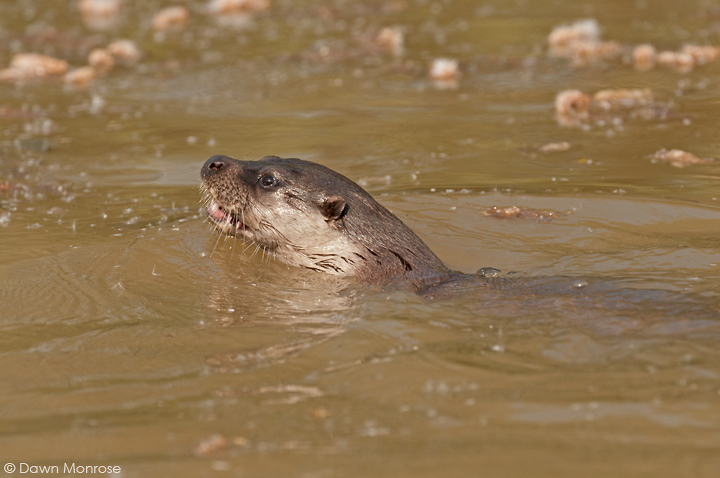
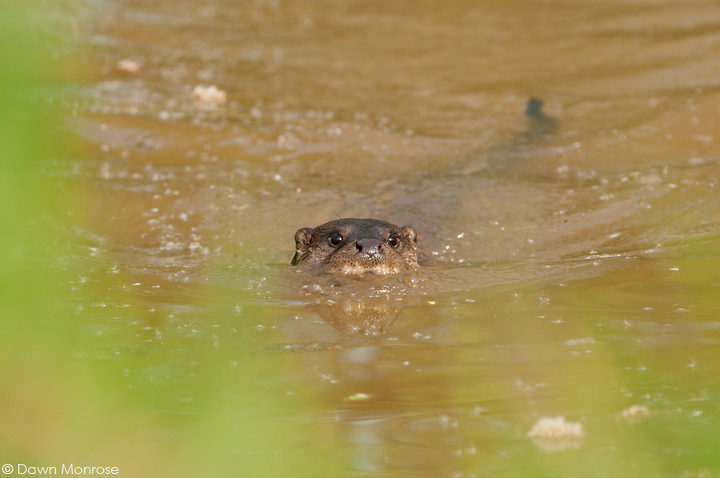
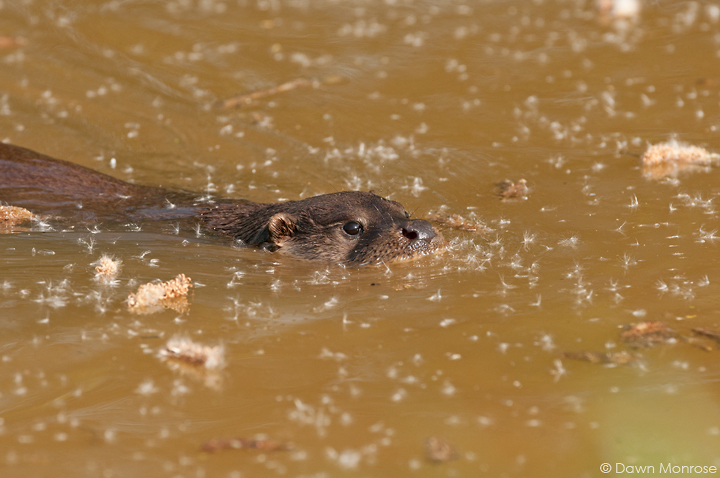
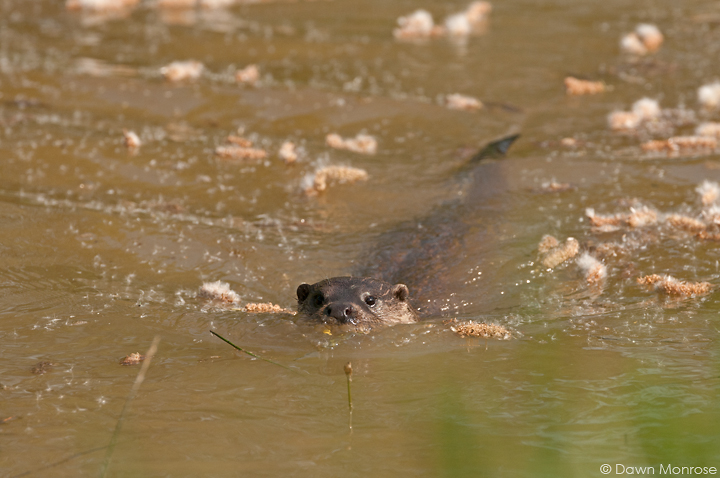
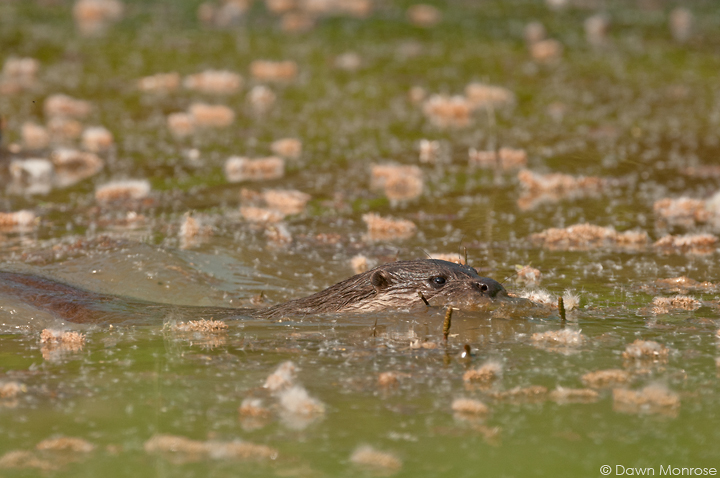
I’m starting with the Otters, it was great to get close to these normally shy and elusive creatures. The light was pretty harsh for photography, but I managed a few shots.
Check back tomorrow for part 2….!

(Click images to view larger)
 

Similar Posts

  • Star Trails and Lizard Tails

    Breckland. At first glance, arid and inhospitable, with hot, dry sandy soil and prickly gorse, but look closer, and you’ll find that one of the driest areas in England is in fact, teeming with life. Tiny specialised plants creep aross the dusty ground, while twisted, spiny gorse shelters nesting birds. The sharpness of the landscape…

  • Nearly but not quite

    Someone very wise once said insanity is doing the same thing over and over again and expecting a different result. It’s true, and that’s what we do as wildlife photographers. We visit the same spot again and again, hoping for that one moment when it all comes together. The light, the subject – we wait…

  • Jurassic gardens

    Don’t move. He can’t see us if we don’t move. The reptile tips his head. Patterned scales glint in the sun, golden eye, unblinking, watches us, time slows. But we’re not keeping still because we’re trying to avoid becoming a dinosaur’s dinner. We’re not moving so we don’t disturb the mini velociraptor in front of…

  • Project Turtle Dove

    As I write, it’s cold and dark and the rain is dripping down the window. The grey damp chill of a British winter is a far cry away from the heat of the savannah, which is where I imagine our Turtle doves are currently enjoying hours of hot sunshine every day. They are spending the…

  • Treecreeper

    All quiet on the Fen this morning. The Bearded tits were heard but not seen, making the long walk and long wait seem a bit disappointing, but such is wildlife photography. On the way back I spotted a Little Egret, hunched up in the wet fen. There’s water everywhere, the fen is a damp place…

  • Sedge Warbler

    Out on the Fen again this morning, a lovely sunny start, but a little frosty too. Starting to get there with the Sedge Warbler’s I think. They seemed a little quiet, perhaps because of the Cuckoo calling close by. Walking through the dew, with birds singing all around, I came across a Roe deer buck,…

One Comment

Leave a Reply