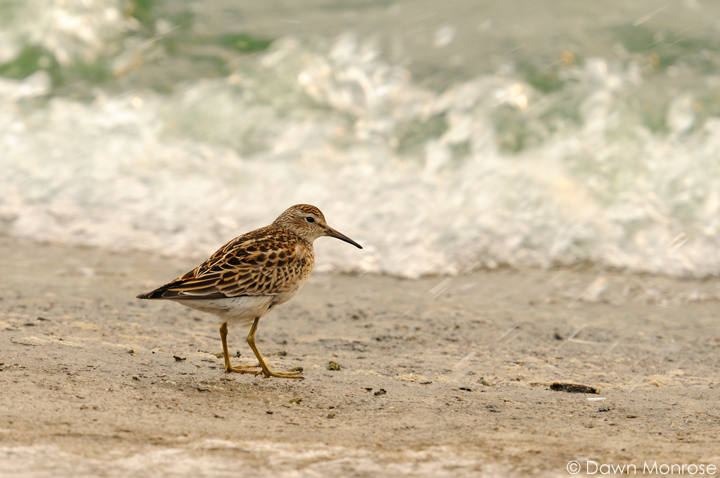
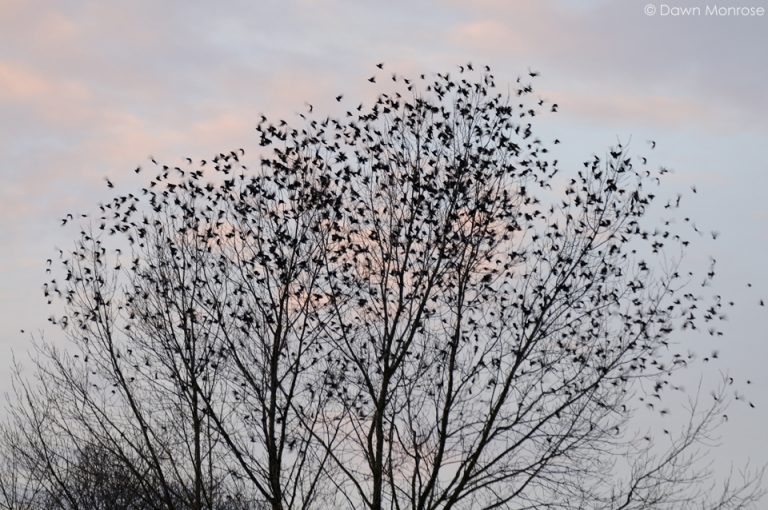
Happy New Year!

Happy New Year to you all!

Despite the grey weather today, I just had to get out with the camera – the reason? Well a lovely shiny new lens!

Now the folks who know me will know I’m not that much of a ‘gear-head’ and I’m a firm believer in that it’s not what you’ve got, it’s what you do with it that counts. So for many years I’ve been using the Nikon Nikkor 500mm f4 P lens, and in fact the majority of the photos on my website were taken with this lens. This lens was produced in 1988 (I would have been about 4 years old!) and is manual focus only, it’s a fantastic bit of glass and was the only decent 500mm lens I could afford at the time. It’s served me very well over the years, but the manual focus and resulting quantity of missed shots was often frustrating, so I’ve been long overdue for an upgrade. Enter stage right my sleek new Sigma 500m f4.5 EX APO and all the other random letters lenses seem have attached. It’s autofocus! For the wildlife photographers reading, I went for the Sigma over the Nikon for several reasons, mainly that funds wouldn’t quite stretch to the Nikon (it’s waaay more expensive than the Sigma), but the image quality compares very favourably according to the reviews and the Sigma focuses slightly closer and is more compact and lighter than it’s Nikon counterpart. The Nikon has VR (Vibration reduction) and the Sigma doesn’t, but I didn’t consider that a good reason to spend all that extra money. So I overcame my brand faithfulness and went for the Sigma.

I haven’t had much of a chance to test it out properly yet, but after a brief session in the garden with the birds I’m thoroughly chuffed with it so far! Even with the grey conditions, it focuses super quickly and quietly and is beautifully sharp. I can’t wait to get out and try it properly, but for now:
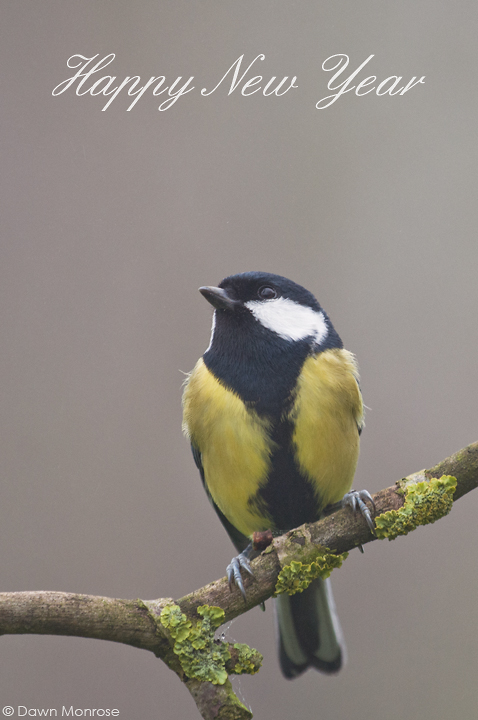
Great tit, Parus major, perched on branch with lichen, Norfolk, January

(Click images to view larger…)

If you like what you see, please consider sharing![social_share/]

UK & Eire Natural History Bloggers

Subscribe

Sign up to receive blog notifications and exclusive content!

We don’t spam! Read our privacy policy for more info.

Similar Posts

  • Star Trails and Lizard Tails

    Breckland. At first glance, arid and inhospitable, with hot, dry sandy soil and prickly gorse, but look closer, and you’ll find that one of the driest areas in England is in fact, teeming with life. Tiny specialised plants creep aross the dusty ground, while twisted, spiny gorse shelters nesting birds. The sharpness of the landscape…

  • First signs of Spring

    All has been rather quiet of late down on the Fen, no meaningful images in the last few weeks, which is somewhat disappointing. Yet there are the first subtle signs of spring all around. On my way there this morning a Skylark rises into the air on trembling wings, belting out his intricate song. On…

  • Project Turtle Dove

    As I write, it’s cold and dark and the rain is dripping down the window. The grey damp chill of a British winter is a far cry away from the heat of the savannah, which is where I imagine our Turtle doves are currently enjoying hours of hot sunshine every day. They are spending the…

  • Peek-a-boo

    Over the Fen this morning, couldn’t resist photographing this little rabbit as he peeked out of his burrow at me. Sunshine and showers kept the Sedge and Reed warblers hiding low in the vegetation, but the Cuckoo was still singing away. Five Roe deer were very camera shy, only the rabbits would let me photograph…

  • Treecreeper

    All quiet on the Fen this morning. The Bearded tits were heard but not seen, making the long walk and long wait seem a bit disappointing, but such is wildlife photography. On the way back I spotted a Little Egret, hunched up in the wet fen. There’s water everywhere, the fen is a damp place…

  • Sculthorpe Moor

    Sunday morning was beautifully sunny so I headed over to the Fen, where disappointingly there were no more exotics! All was a bit quiet, except for lots of small birds chirping away. After a long walk, I returned home with exactly zero photos. Not a problem really, I’d say 90% of a wildlife photographers time…

2 Comments

Leave a Reply