British Wildlife Centre – Part I

The British Wildlife Centre, in Surrey is a fantastic place housing a collection of native wildlife. On days where they are not open to the public they run photography days, where the keepers take people inside the enclosures to get up close to the animals.

Photography of captive animals is often a controversial subject amongst wildlife photographers, some see it as cheating, and some unscrupulous photographers try to pass photos of captive animals off as wild – very misleading for the rest of us.

I personally like my wildlife wild, enjoying the experience of watching animals in their natural environment, but there are benefits to photographing captive animals. Firstly, by photographing a captive animal, you’re not out disturbing any wildlife. Second, an individual that is habituated to humans will often let you get closer and get images that would not be possible in the wild, and finally it’s great practice – you can really observe how the animal moves, how it behaves, it’s size and character, so when you do encounter that species in the wild you’ll be prepared.

I have no problem with photographing captive animals, as long as photographers declare that the images were taken in controlled conditions. Honesty is the best policy in my opinion, so the images in this post are of captive animals.

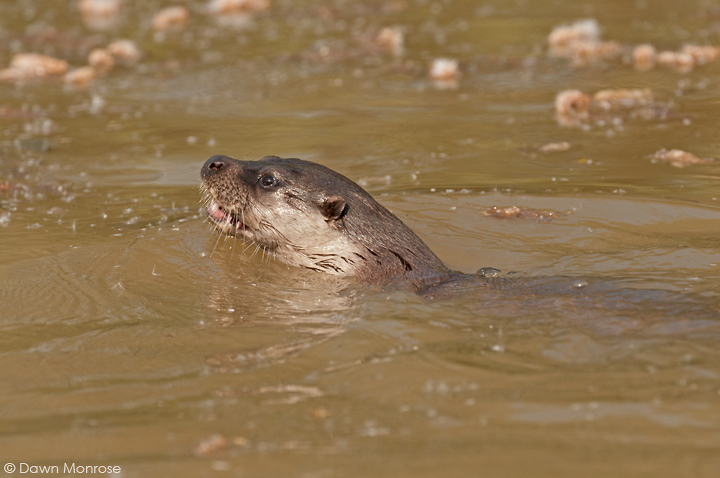
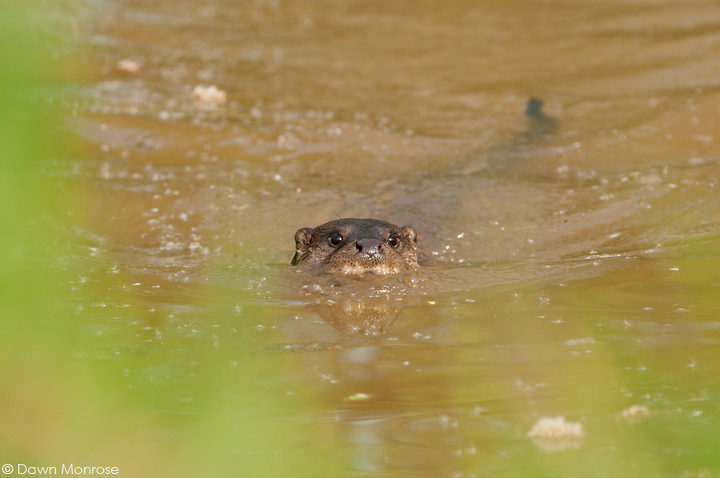
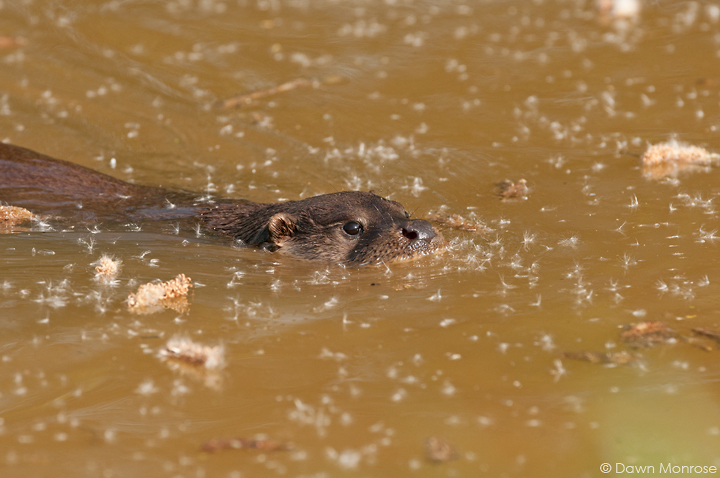
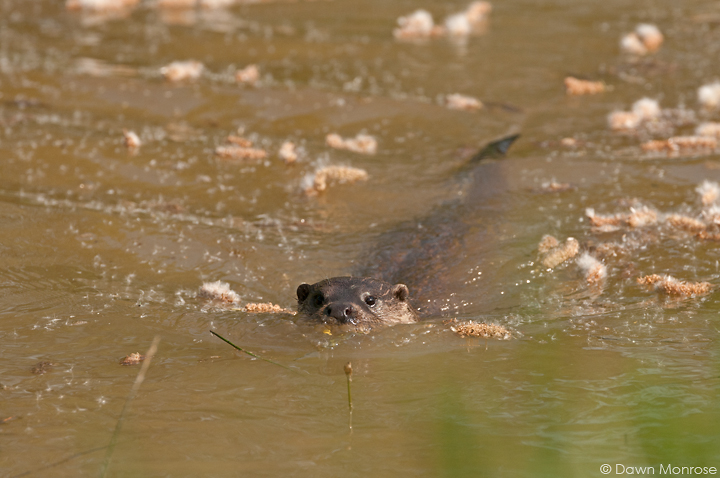
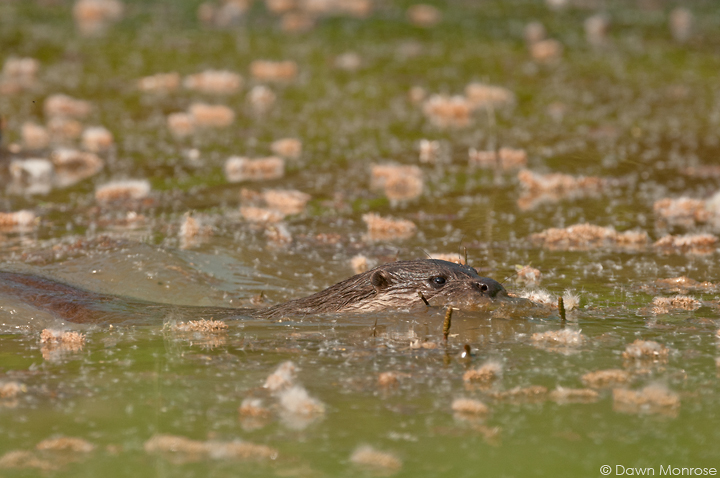
I’m starting with the Otters, it was great to get close to these normally shy and elusive creatures. The light was pretty harsh for photography, but I managed a few shots.
Check back tomorrow for part 2….!

(Click images to view larger)


Similar Posts

  • A stroll around Strumpshaw

    Visited RSPB Strumpshaw Fen today. Had a wander along the meadow trail, and found this Pheasant sitting on a fence. Sometimes you don’t have to fill the frame… Also in the meadow, some lovely Ragged Robin. Difficult to photograph, as it was a bit windy out there. Then, on the way back, the star of…

  • Wigeon

    What a beautiful day it was on Sunday! Decided to head for Strumpshaw again, but things were a bit quiet, although I did see my first ever Brambling. Then we visited Strumpshaw’s ‘sister’ reserve – Buckenham Marshes, which at this time of year is home to thousands of Wigeon, as well as geese. Wigeon are…

  • Garden Birds

    Encouraged by my ‘Big Garden Birdwatch’ results, I decided to have a go at photographing the garden birds today. I wasn’t sure how they’d react, as I haven’t worked with them since last Summer. However, within minutes of setting up, the Blue and Great tits came down and happily used the perch straight away. The…

  • Here and there

    Over on the Fen first thing this morning, the Sedge Warblers were quiet again, but the Reed Warblers were singing away. Their song is softer than the harsh, scratchy tune of the Sedge Warblers, more bouncing, more musical. They were busy collecting nesting material, hopping up the reeds to choose a few strands of fluffy…

  • A Big Year

    This year is a big year for me. Not in the same sense as a bird watchers ‘Big Year’, where they try to see as many different species as possible, but because today I turned 30. So in a fit of ambitiousness I decided to set myself the challenge of photographing 30 different wildlife events…

  • To the Sea

    The coast in winter, the roar of the sea, beauty and ferocity. Wind whipped sea foam sparkling in the weak sun, the fizz of waves pouring over pebbles. A twittering from small birds dashing away from the rising tide. I visited the most easterly point in the UK, Ness Point in Lowestoft, in search of…

One Comment

Leave a Reply